Saturday, June 2, 2012

School Visit!

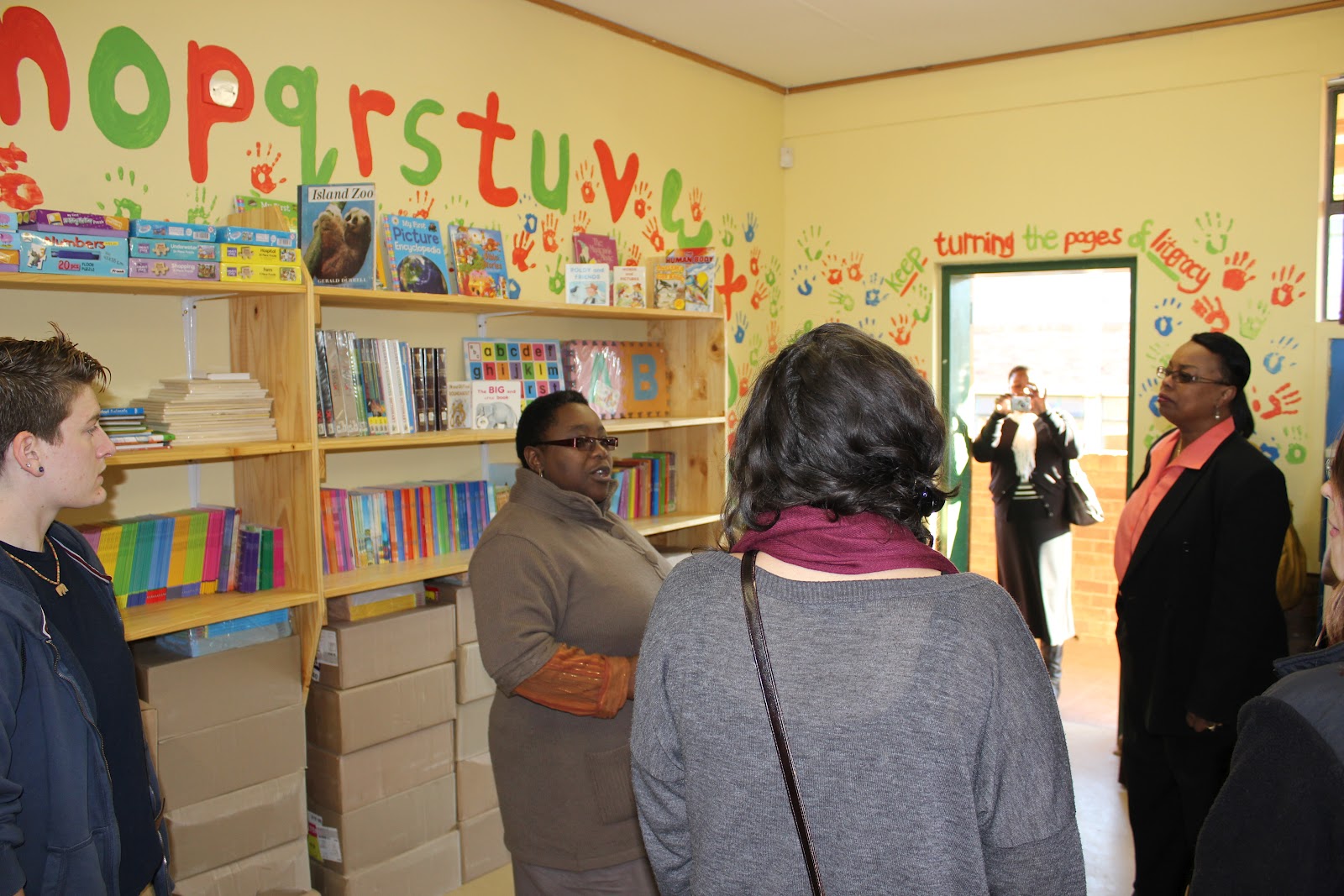
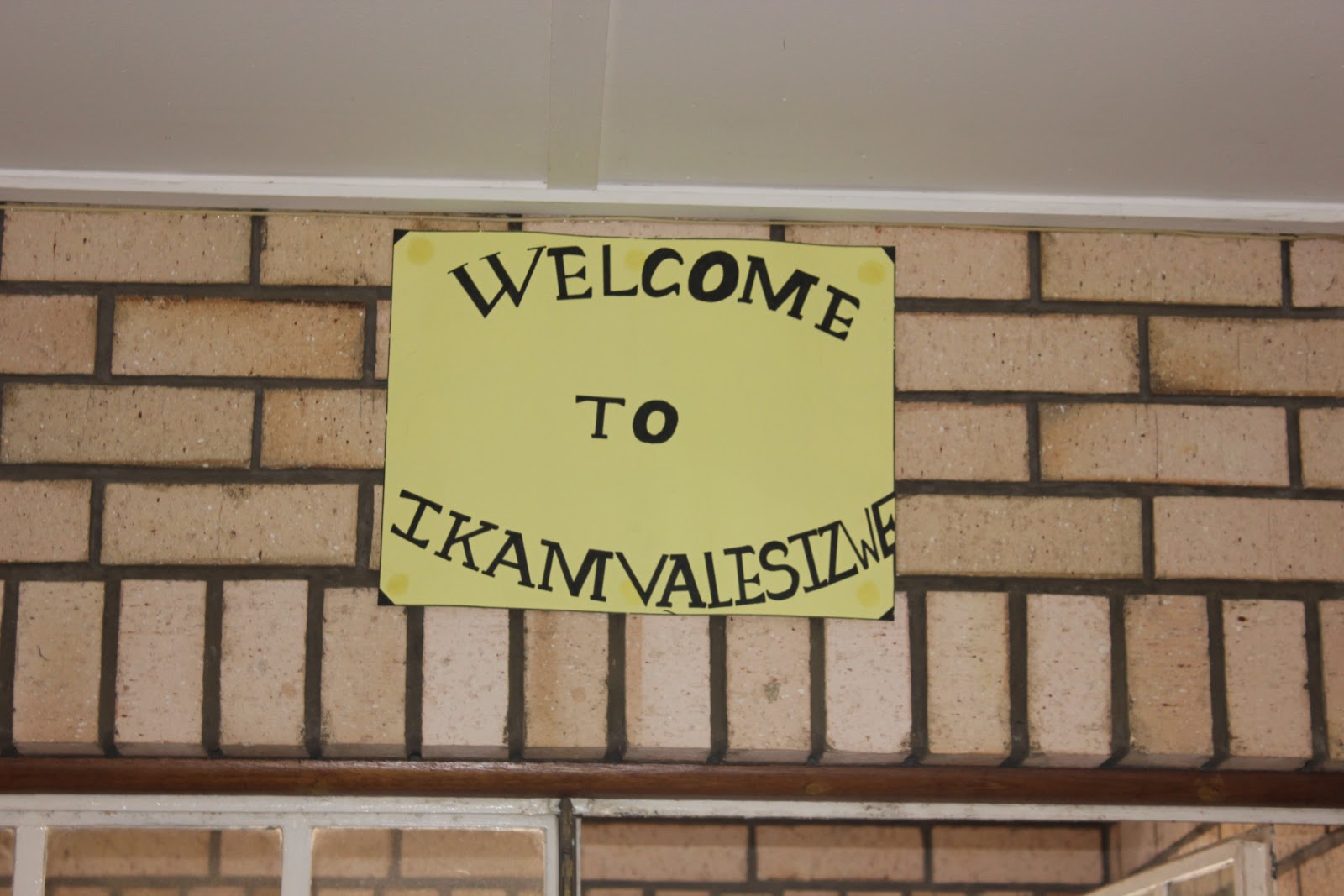
These are pictures from our first visit to Samuel Ntsiko and Ikamva schools. We met the teachers, saw the schools, and donated the laptops to both schools. We also gave an iPad to each school's principal. In both schools we received an amazing welcome and felt such gratitude. After this visit we were all so ready to start teaching.

-Zack Kohn


Animal-Heid

Ferrell oxen twitch
tails at dogs with matted fur.
Still, they coexist.

(Haiku)
-Ang Buxton

Not a Hunger Strike

Sometimes, it still hurts
knowing I couldn't stop them
from killing Biko.

(Haiku)
-Ang Buxton

Grahamstownship (A Sonnet)

We huff, legs trudging pavement hills, aghast
at houses plastered, pastel splatters pinned
to mountains clustered proudly.  We run past
a bronze coin, gold sun blanket, bathed with wind.
Again we sweat when shacks are magnified:
it's wheels, this time, that brave rockier roads
through dust.  Our rolled up windows slyly eyed
by people strewn about where brick corrodes.
Grass hills, trash trails, dogs dead on their backs
secedes a metal cross cemetery,
spray painted business signs on tin roofed shacks,
razor fences and Cash and Carry's.
Clothes hang, add vibrant hues to this brown strip--
a street of many in this one township.

-Ang Buxton

Water Haikus

1.
Caution! Tap water
is not for drinking. But these
plastic jugs will do.

2.
South African Coast--
Two oceans meet at the tip.
A well-balanced wine.

3.
Keep calm and order
a Bongo at this cafe
in Kenton on Sea

-Ang Buxton

Grahamstown Township

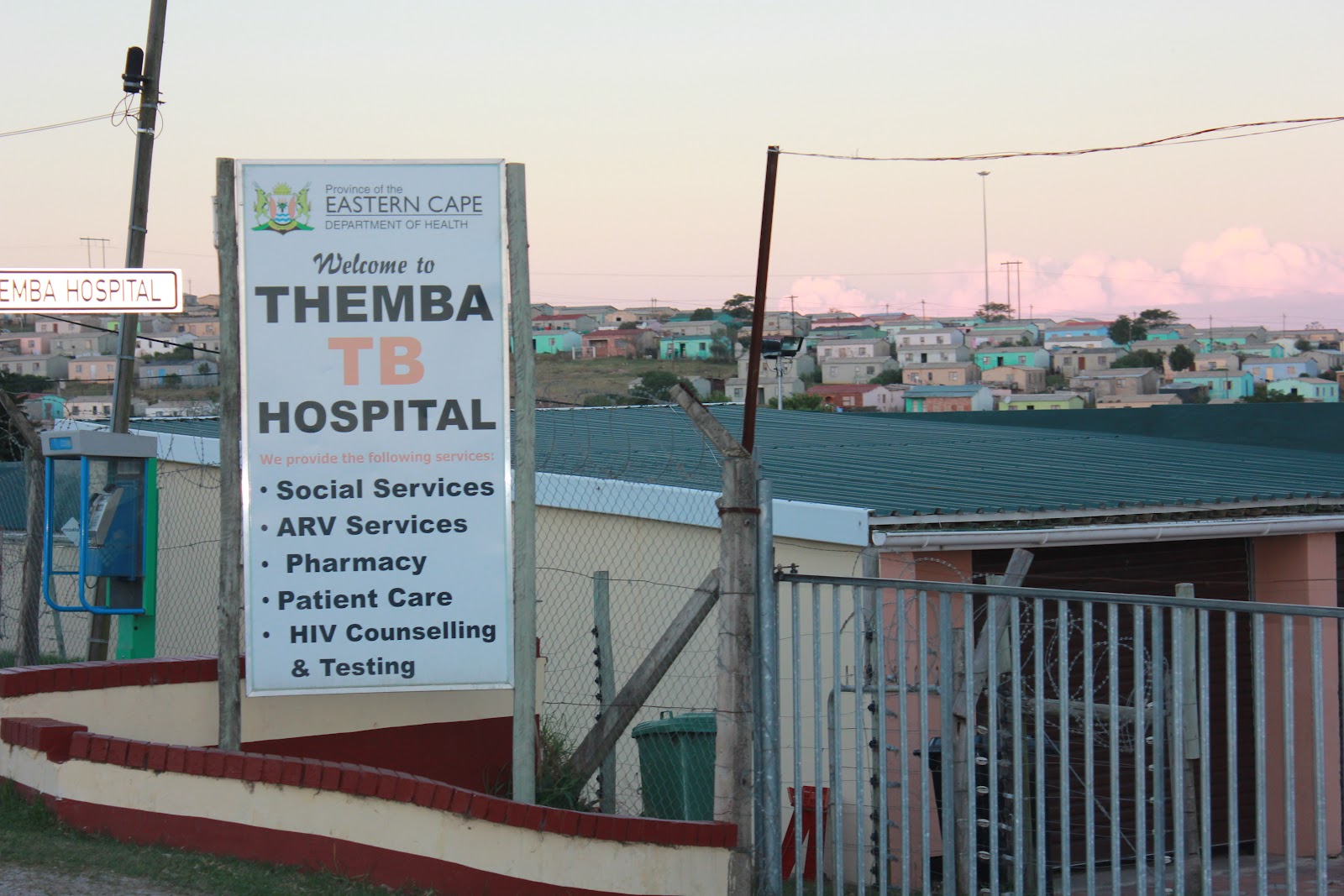
These are some pictures from our ride in the Grahamstown Township. This is one of the most powerful experiences of our trips. While these pictures are meant to document the things we saw, it in no way will convey the reality that we all experienced in the township. I hope that these pictures will spark an interest to know more about the current state of unofficial apartheid that still exists in South Africa.

-Zack Kohn


Friday, June 1, 2012

Lesson Plan: Friday, June 1st

Samuel Ntsiko Primary School Class 6A
Teachers: Ms. Victoria and Ms. Julie
Environment: 
  • 36 Students
  • Native Language = Xhosa
  • well behaved, extremely respectful and responsive to authority figures
  • not used to being asked questions and their opinions, shy when volunteering answers and speaking aloud
Language Arts
Objective: Students will work in pairs to write their own short fiction stories using the WWW What=2 How=2 and POW Methods

Materials:
  • student folders with loose leaf paper 
  • pencils/erasers
  • colored pencils, markers
  • WWW W=2 H=2 Chart
  • POW Chart
  • Big Poster Paper
Activities:
  • Brain Dance (energy up)
  • Review WWW W=2 H=2 (with dance)
  • Review POW (POW gives you power for writing)
Procedure: 
  • Make sure students have the rules of WWW W=2 H=2 and POW written in their folders.
  • Establish partners
  • Have students work in pairs to write their own stories using WWW W=2 H=2
  • Have partnerships trade stories and record WWW W=2 H=2 chart; make sure students recognize missing parts.
  • Have students share parts with one another.
  • Write and act out a story as a class (Our class wrote a story called "Monkey and his Friends on his Birthday").
Assessment/Evaluation:
  • Ask students to put a thumbs up/thumbs down if they understand - do this throughout the lesson.
  • Collect student stories - see if they have all parts of a story included. 
Maths
Objectives: Students will demonstrate an understanding between Maths and English through an exploration of word problems. Students will also underestand the importance of the reciprocal relationship between addition and subtraction.

Materials:
  • Maths packet
  • Pencils/erasers
  • Pre-written word problems
Procedure:
  • Go over homework from the night before. Students had three addition problems and had to write their own word problem. Problems are solved on the board by calling students to the front and word problems read aloud to the class.
  • Word on multi-digit addition and subtraction problems as a class, modeling the first few and then calling students to the front to solve problems. Use addition to check subtraction and visa versa - reinforce the relationship between the two.
  • Assign problems for students to do in notebooks. When they are done, we will come together as a class and students will solve problems on the board.